
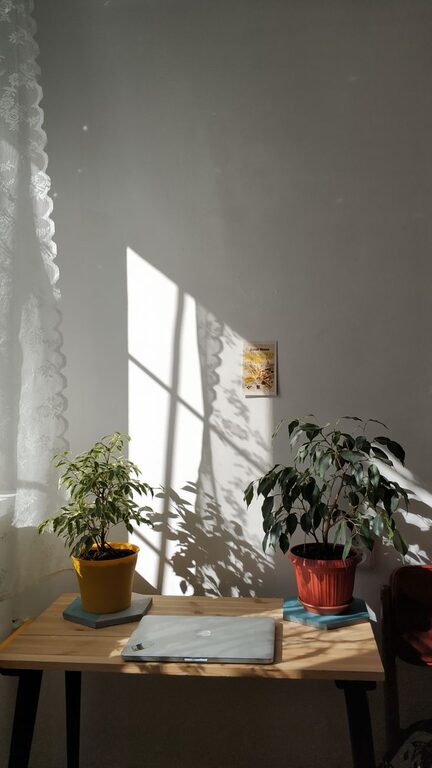
Creating a relaxing home office is key to maintaining focus and productivity while working from home. A well-designed workspace can reduce stress and help you feel more motivated throughout your day. Whether you have a dedicated room or a small corner, implementing a few thoughtful changes can make a big difference. Here are some practical tips to help you build a calming and efficient home office environment.
Choose the Right Location
Selecting the perfect spot for your home office sets the foundation for a relaxing space. Ideally, choose a quiet area away from high-traffic zones in your home. Natural light is another important factor—position your desk near a window if possible to benefit from daylight, which can boost mood and energy.
If space is limited, use room dividers, curtains, or even plants to create a distinct separation between work and living areas. This physical boundary helps signal a shift between work mode and relaxation time.
Prioritize Comfortable and Ergonomic Furniture
Investing in ergonomically designed furniture supports your posture and reduces physical strain during long working hours. Key furniture pieces include:
– Ergonomic Chair: Choose one with good lumbar support, adjustable height, and comfortable padding.
– Desk: Ensure it’s the right height to avoid hunching. A standing desk or adjustable desk can provide flexibility.
– Footrest: Helps maintain proper leg positioning if your feet don’t naturally reach the floor.
Comfortable furniture not only enhances productivity but also helps prevent common aches and injuries related to poor posture.
Declutter and Organize Your Space
Clutter can cause distractions and add to stress. To maintain a peaceful workspace:
– Keep only essentials on your desk.
– Use organizers for papers, stationery, and electronic accessories.
– Cable management tools help keep cords tidy and prevent tangling.
– Regularly clean and put away items that are not in use.
A clean and orderly environment allows your mind to focus and feel less overwhelmed.
Use Soothing Colors and Decor
Colors have a strong impact on mood. Choose soft, neutral tones like light blues, greens, or warm grays, which are known for their calming effect. Avoid overly bright or neon colors that can be distracting or stressful.
Decorate your home office with elements that inspire relaxation and creativity, such as:
– Indoor plants or fresh flowers to add life and freshness.
– Art or photos that make you feel calm and happy.
– Soft textiles like a cozy rug or cushions to add warmth.
Remember to keep decorations minimal enough to prevent clutter but meaningful enough to personalize your space.
Control Lighting and Reduce Eye Strain
Proper lighting is essential for comfort and productivity. Here’s how to get it right:
– Maximize natural light during the day.
– Use adjustable task lighting, like a desk lamp, for focused work.
– Choose bulbs with a soft white color temperature to reduce harsh glare.
– Avoid placing screens directly in front of windows to prevent eye strain from reflections.
Taking regular breaks away from screens also helps maintain eye health.
Make Your Workspace Smell Pleasant
Scent can influence mood and concentration. Consider adding subtle fragrances to your office:
– Use essential oil diffusers with lavender, peppermint, or eucalyptus.
– Light soy or beeswax candles in refreshing scents.
– Keep the room well-ventilated for a fresh atmosphere.
Avoid overpowering smells that may become distracting or cause headaches.
Integrate Technology Thoughtfully
Technology is essential for modern work but can also become a source of stress. Organize tech to make it work for you:
– Position monitors at eye level.
– Use wireless accessories to reduce cable clutter.
– Set up noise-canceling headphones to block distractions.
– Utilize apps that promote focus, like timers or white noise generators.
Keeping your tech streamlined and easy to manage helps maintain a peaceful workflow.
Establish a Routine and Boundaries
A relaxing home office isn’t only about the physical space. Your habits matter too:
– Set clear working hours to create structure.
– Inform family or housemates about your schedule to minimize interruptions.
– Take regular breaks to stretch, breathe, or step outside.
– End your workday by tidying your desk to signal the transition to personal time.
A routine helps separate work from home life, reducing stress and improving work-life balance.
Add Personal Touches Without Overcrowding
Personal items can make your workspace inviting and motivating, but be mindful of balance. Keep a few meaningful objects on display, such as:
– A favorite mug or a small collection of motivational quotes.
– A calendar or planner that suits your style.
– Items that remind you of your goals and achievements.
These touches can enhance your connection to your work and boost morale throughout the day.
—
Creating a relaxing home office environment is achievable with some intentional planning and care. By focusing on comfort, organization, and atmosphere, you’ll craft a space that supports both productivity and well-being. Remember that your home office should be a place where you feel calm, focused, and inspired to do your best work.