
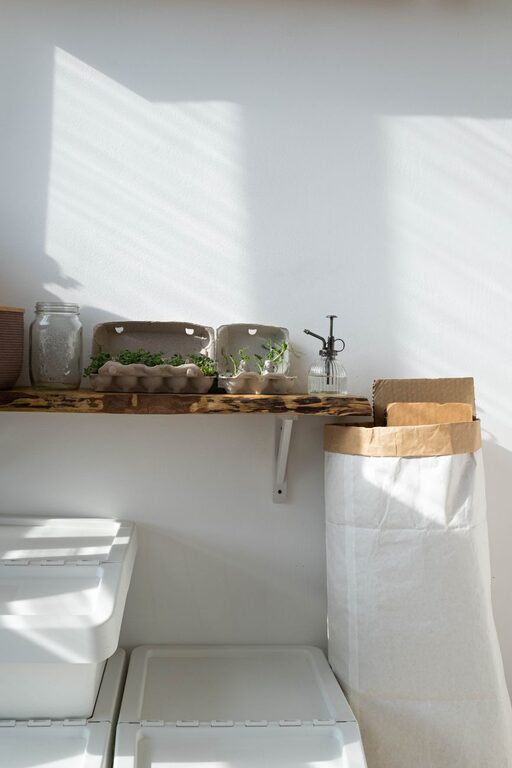
Creating a more eco-friendly home environment doesn’t have to be complicated or expensive. Small, intentional changes can significantly reduce your household’s carbon footprint and contribute to a healthier planet. In this post, we’ll explore practical and simple ways to make your home greener, from energy-saving tips to mindful consumption habits. Whether you’re just starting or looking to improve your eco-conscious lifestyle, these ideas will help you live more sustainably at home.
Why Make Your Home More Eco-Friendly?
Our homes use a considerable amount of resources, including energy and water, and generate waste. By adopting eco-friendly habits, you can:
– Lower your energy and water bills
– Reduce waste sent to landfills
– Minimize harmful chemical use
– Create a healthier living environment for you and your family
Even small changes add up when practiced consistently.
Easy Energy-Saving Tips
Reducing your home’s energy consumption is one of the most effective ways to be eco-friendly. Here are some simple strategies:
1. Switch to LED Bulbs
Traditional incandescent bulbs use more energy and have shorter lifespans. LED bulbs are energy-efficient, long-lasting, and emit less heat. Replacing your household bulbs with LEDs can cut your lighting costs and carbon footprint.
2. Use Smart Power Strips
Many appliances draw power even when turned off—a phenomenon called “phantom load.” Smart power strips or unplugging devices when not in use help prevent this wasted electricity.
3. Optimize Heating and Cooling
Set your thermostat slightly lower in winter and higher in summer; even a few degrees can save energy. Use programmable thermostats to adjust settings automatically when you’re away or asleep. Also, ensure your home is properly insulated to maintain comfortable temperatures.
Conserve Water with Simple Changes
Water is a precious resource, and saving it benefits both the environment and your utility bills.
1. Fix Leaks Promptly
A dripping faucet or running toilet can waste gallons of water daily. Regularly check for leaks and repair them quickly.
2. Install Water-Efficient Fixtures
Look for faucets, showerheads, and toilets labeled as WaterSense or similar certifications. Low-flow fixtures maintain good water pressure while reducing usage.
3. Collect Rainwater
If possible, use rain barrels to capture water for outdoor watering. This reduces the demand on municipal water supplies and helps plants thrive.
Make Smart Waste Choices
Waste reduction is crucial for an eco-friendly household. Here’s how you can start:
1. Recycle Properly
Learn your local recycling guidelines to avoid contamination. Clean and sort recyclables carefully to ensure they get processed correctly.
2. Compost Food Scraps
Composting kitchen waste produces nutrient-rich soil for your garden or houseplants. It also keeps organic waste out of landfills, reducing methane emissions.
3. Choose Reusable Over Disposable
Swapping single-use items like plastic bags, water bottles, and food containers for reusable versions cuts down on landfill waste and plastic pollution.
Use Eco-Friendly Products
Many everyday cleaning and personal care items contain harsh chemicals that can harm the environment and your health.
– Opt for natural or biodegradable cleaning products
– Look for items with minimal packaging or packaging made from recycled materials
– Support brands committed to sustainable and ethical production
Incorporate Green Materials and Plants
Your home’s design and interiors can also play a role in sustainability.
1. Choose Sustainable Materials
When renovating or decorating, consider materials such as bamboo, reclaimed wood, or recycled metal. These options reduce the demand for new resources.
2. Introduce Houseplants
Plants improve air quality, reduce stress, and add natural beauty. Common houseplants like spider plants and pothos are easy to care for and effective at filtering indoor air pollutants.
Practice Mindful Consumption
An eco-friendly home is also about how you consume and use resources daily.
– Buy secondhand or locally made items
– Reduce unnecessary purchases to minimize waste
– Donate or repurpose items rather than discarding them
Conclusion
Transforming your home into a more eco-friendly space doesn’t require drastic changes. By incorporating these simple tips and making sustainable choices, you can contribute to a healthier planet and enjoy a more comfortable and cost-efficient home. Every small effort counts toward building a greener future.
—
Feel free to start with a few ideas that fit your lifestyle and gradually add more eco-friendly habits. Your home and the environment will thank you!