Creating a home office that balances comfort and productivity is essential for anyone working remotely or managing tasks from home. A cozy workspace helps you stay motivated and reduces stress, while an organized environment keeps distractions at bay and supports focus. Whether you have a dedicated room or a small corner, these tips will guide you in designing a home office that feels just right for you.
1. Choose the Right Location
Consider Natural Light and Noise Levels
Start by selecting a spot with access to natural light. Sunlight helps regulate your energy and mood, making it easier to stay alert. Avoid areas with excessive noise or distractions, such as near the TV or in a busy hallway. If noise is unavoidable, consider using noise-canceling headphones or a white noise machine.
Maximize Available Space
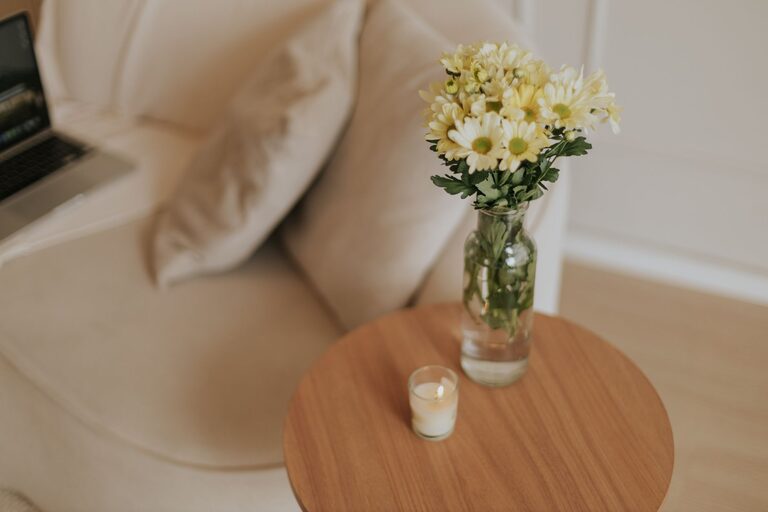
If your space is limited, try to designate a clear area just for work. Avoid working on a couch or bed, as this can negatively impact posture and productivity. Even a small desk in a quiet corner can become a focused zone when properly arranged.
2. Invest in Comfortable Furniture
Desk and Chair Matter
The foundation of a productive home office is a sturdy desk and a supportive chair. Choose a chair with adjustable height and lumbar support to avoid back pain. The desk should have enough surface area for your computer, notebooks, and other essentials without feeling cluttered.
Ergonomics for Long Hours
Set your monitor at eye level to prevent neck strain, and keep your keyboard and mouse positioned to allow relaxed shoulders and wrists. An adjustable standing desk or a desk converter can help you alternate between sitting and standing throughout the day.
3. Organize Efficiently
Declutter Regularly
A tidy workspace promotes clear thinking. Use drawers, shelves, or organizers to keep supplies out of sight but within reach. Regularly clean your desk and put away unnecessary items to maintain a neat environment.
Use Smart Storage Solutions
Invest in storage items like filing cabinets, desktop organizers, or floating shelves. Label folders and storage boxes so you can find documents quickly. Cable management clips or sleeves help avoid tangled cords.
4. Personalize for Comfort and Inspiration
Add Personal Touches
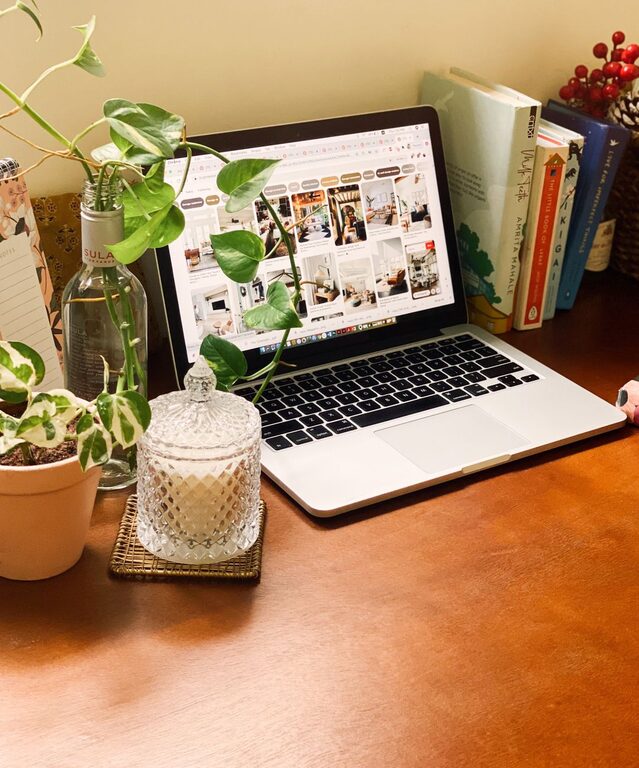
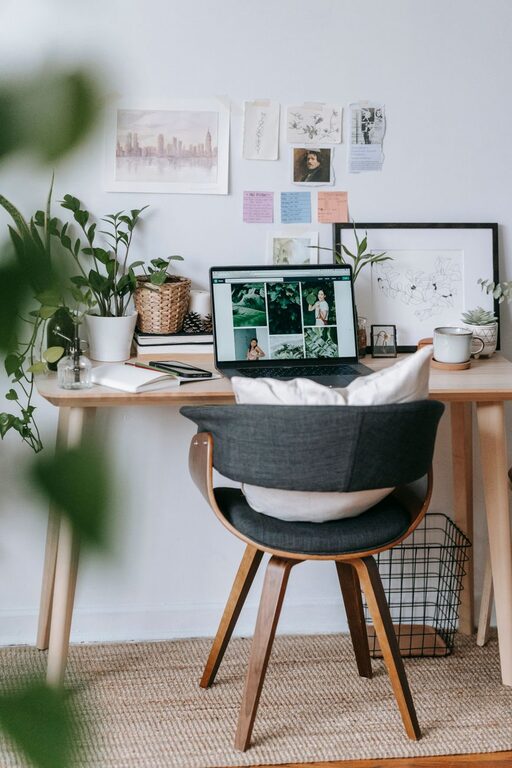
Surround yourself with items that inspire and make the space feel welcoming, such as family photos, art prints, or favorite books. Plants are a great addition—they improve air quality and add a calming touch.
Choose Calming Colors
Soft, neutral tones like light blues, greens, or grays create a relaxing atmosphere. Avoid harsh colors or too many bright, clashing hues that can cause distraction or anxiety.
5. Optimize Lighting
Balance Natural and Artificial Light
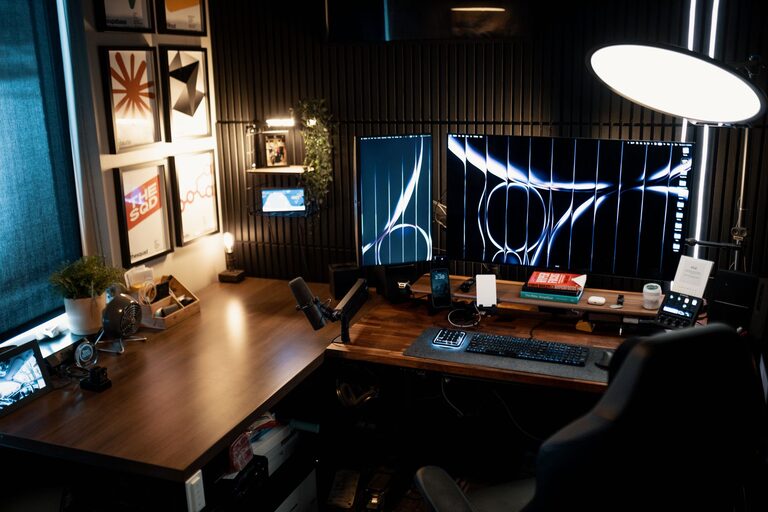
In addition to natural light, use a good quality desk lamp with adjustable brightness to reduce eye strain, especially during evening hours. Position your monitor to avoid glare from windows or overhead lights.
Consider Warm Lighting
Warm light bulbs mimic daylight more naturally and create a more comfortable setting compared to harsh white or blue-toned lights.
6. Use Technology Wisely
Keep Essentials Handy
Ensure your computer, printer, and other devices are in good working order. Use wireless peripherals to reduce clutter and maintain a cleaner desk.
Leverage Productivity Tools
Use apps for time management, note-taking, or task tracking to stay organized. Many tools integrate with calendars and reminders to help maintain your daily schedule.
7. Maintain Work-Life Balance
Set Boundaries
Avoid blending relaxation spaces with work where possible. Ending your workday by closing your laptop and tidying your desk can help signal the transition to personal time.
Take Breaks
Remember to stand up, stretch, and rest your eyes periodically to keep your body and mind fresh throughout the day.
Conclusion
Designing a cozy and productive home office is all about creating a space that supports your work habits while feeling comfortable and personalized. By focusing on location, furniture, organization, lighting, and personalized touches, you can build a workspace that inspires productivity and well-being. Whether you’re tackling projects, attending meetings, or brainstorming ideas, a well-crafted home office makes all the difference. Start with small changes and adapt your space as you learn what enhances your focus and comfort best.